
High heels are a type of shoe in which the heel, compared with the toe, is significantly higher off the ground. These shoes go beyond simply protecting the foot from the ground or improving efficiency of walking. High heels make the wearer taller, accentuating the calf muscle and the length of the leg overall. There are many types of high heels, which come in different styles, colors, and materials, and can be found all over the world. They have significant cultural and fashionable meanings attached to them, which have been largely shaped by historical contexts over the past 1,000 years.
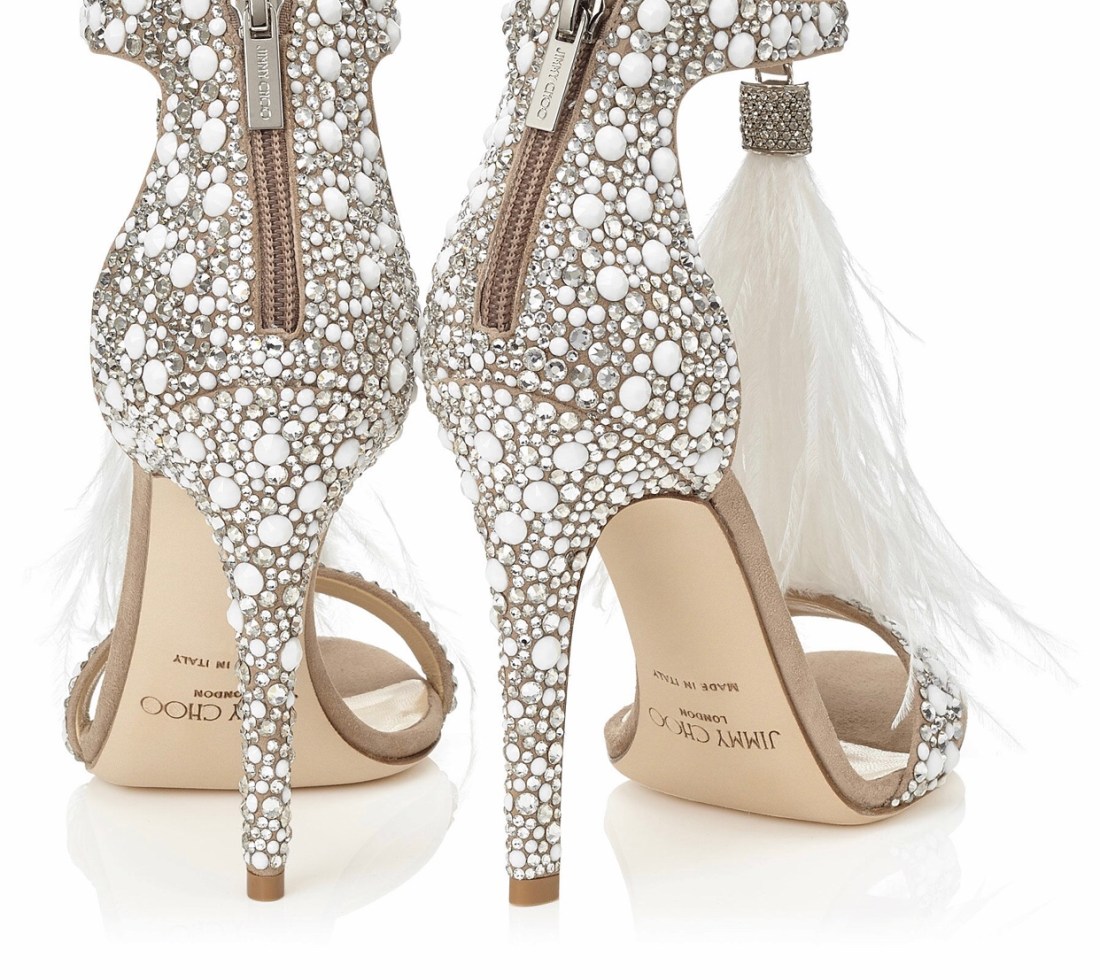
Materials
High heels have been made from all kinds of materials throughout history. In the early years, leather and cowhide was preferred. As civilizations progressed, silk and patent leather were introduced, while cork and wood were utilized as cheap resources in times of war.After the World Wars and the increase in production of steel, the actual heel was a piece of steel wrapped in some kind of material. This has enabled designers to make heels taller and skinnier without them snapping.

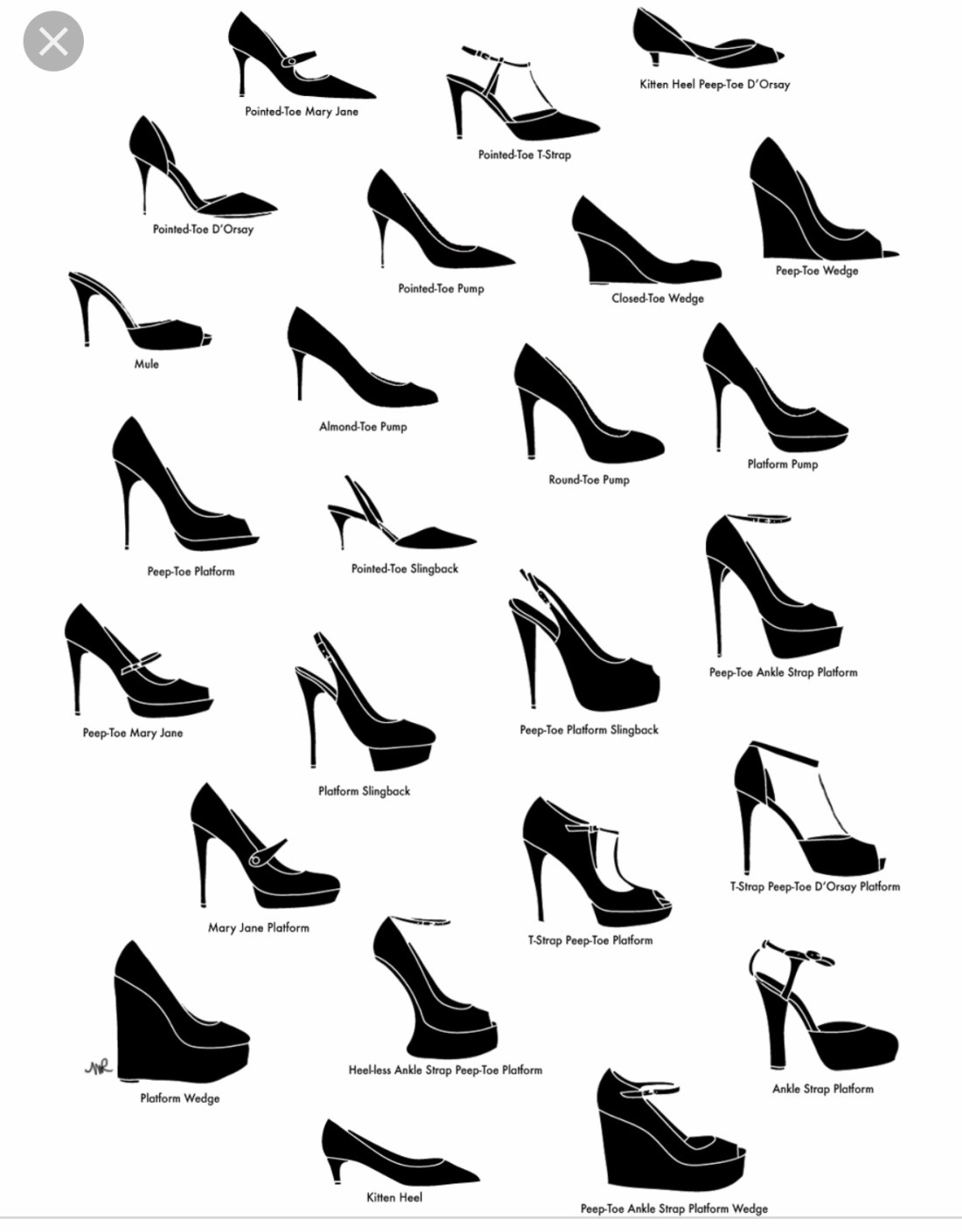
Types of shoes:
- Stacked heel – usually layers of leather 5 mm thick stacked together and trimmed to match the shape of the heel.These are commonly known as block heels.
- Continental heel – 7.5 mm, with the upper part of the chest of the heel spreading towards the center of the shoe.
- Setback heel – similar to the continental heel, but the surface of the back of the heel is straight, forming a right angle.
- Cuban heel – similar to the continental heel, but not curved, generally medium height
- Pantaloon heel – “similar to pantaloon pants: the top lift part of the heel is spread out as it extends to the bottom part of the heel, and the waistline of the heel is curves inward naturally.”
- Angle heel – “the surface of the base of the heel is straight until reaching the waistline, and it looks like the shape of the Korean letter ¬”
- Pinet heel – straight and skinny
- Cromwell shoe – based on with heel up to 170 mm (6.5 in).
- Bar Style – had jewelry or other decorative aspects to go along with flapper culture.
- New Look in 1947 – a slim/elegant heel, newly discovered by putting steel in the heel. This enabled the heel to be ultra skinny without snapping.
- Annabelle – 7 cm platform heel
- Stiletto – Tall, skinny heel; first mentioned in a newspaper in September 1953.
- Wedgies – These were popularized.

 Katarina’s blog